
Gen Z, TikTok, and the New Face of Gambling

For decades, gambling was a neon-lit pastime tied to casinos, sports betting slips, and the occasional lottery ticket. But with Gen Z, the landscape looks nothing like the Las Vegas strip. Instead, it’s shaped by TikTok feeds, influencer clips, and livestreamed high-stakes moments that blur the line between entertainment and financial risk.
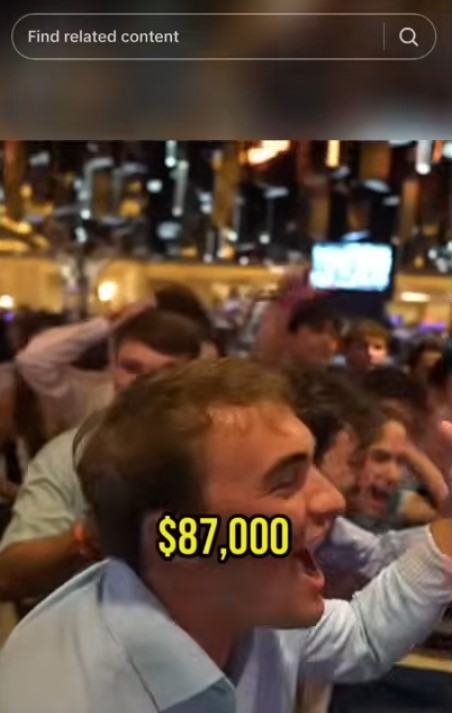 Challenges are common too, with users wagering amounts tied to their follower count or paycheck size. These stunts double as social proof, encouraging viewers to see gambling not only as a pastime but as a shared digital experience.
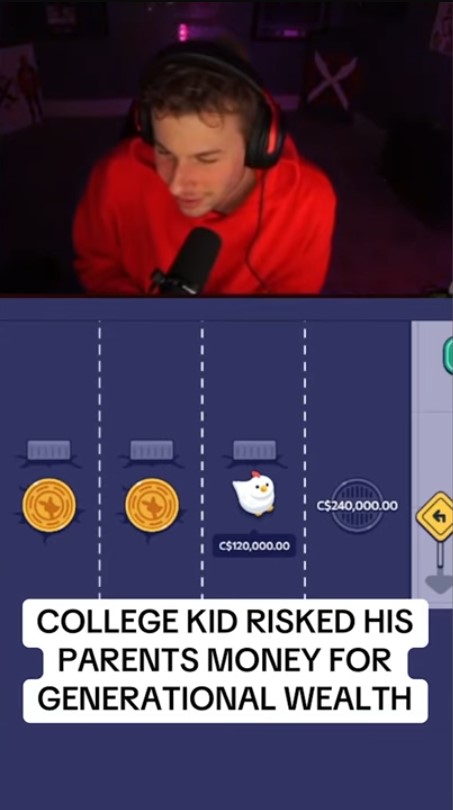 One of the biggest issues with this trend is that much of the “advice” floating around TikTok is far from reliable. Influencers frequently present gambling strategies or tips as if they’ve cracked a winning formula, but in reality, these clips are often manipulated, cherry-picked to show only lucky wins, or outright sponsored by betting companies. The transparency is murky at best.
Young audiences may not realize that a creator’s “secret method” for sports betting is actually part of a paid promotion, or that the flashy clips of huge wins are exceptions rather than the rule. This distorted view makes gambling appear smarter, safer, and more profitable than it really is, encouraging risky behavior without the necessary warnings.
One of the biggest issues with this trend is that much of the “advice” floating around TikTok is far from reliable. Influencers frequently present gambling strategies or tips as if they’ve cracked a winning formula, but in reality, these clips are often manipulated, cherry-picked to show only lucky wins, or outright sponsored by betting companies. The transparency is murky at best.
Young audiences may not realize that a creator’s “secret method” for sports betting is actually part of a paid promotion, or that the flashy clips of huge wins are exceptions rather than the rule. This distorted view makes gambling appear smarter, safer, and more profitable than it really is, encouraging risky behavior without the necessary warnings.
The TikTok Gamble
On TikTok, gambling content has exploded into a genre of its own. Young men in particular post clips of themselves placing audacious bets on blackjack, roulette, or rapid-fire “crash games.” The thrill is in the spectacle: turning a few hundred dollars into six figures, or losing it all in seconds. This double-or-nothing drama, filmed and shared, attracts thousands of followers. It’s not just about money, it’s about community, relatability, and viral fame.
Challenges are common too, with users wagering amounts tied to their follower count or paycheck size. These stunts double as social proof, encouraging viewers to see gambling not only as a pastime but as a shared digital experience.
Social Media as the Casino Floor
Social media platforms, particularly TikTok, aren’t just the stage for these performances, they influence the bets themselves. Studies show that nearly 78% of Gen Z betting decisions are influenced by social media buzz. ESPN clips, peer posts, and influencer streams often act as the tipping point for whether someone wagers on a game or event. Reddit's user violetstrainj shared:Gambling is boring to me. Casinos are like if you took an arcade, mixed it with a buffet and a burlesque show, and then gave that arcade crippling depression.Unlike older generations, Gen Z doesn’t treat gambling purely as a private pursuit. They frame it as entertainment content, with livestreams and fast, interactive games resonating with a generation raised on short-form video.
Influencers: The New Bookies
If Gen Z’s gambling looks like entertainment, influencers are the directors. Their promotional techniques are subtle yet powerful. Authenticity rules the game: instead of flashy ads, influencers share gambling experiences in the tone of chatting with a friend. They post “big win” clips, live casino streams, or tips on sports betting strategies, all while downplaying the risks. Sponsorships often blur into organic content, making it difficult for viewers to tell when they’re watching a paid ad. Interactive content, such as betting challenges or “unboxing” gambling-related mystery prizes, adds a layer of engagement that feels playful, even aspirational. Meanwhile, the responsible gambling disclaimers are often buried in fine print or mentioned half-heartedly at the end of a video.The Dark Side of TikTok Gambling Advice
One of the biggest issues with this trend is that much of the “advice” floating around TikTok is far from reliable. Influencers frequently present gambling strategies or tips as if they’ve cracked a winning formula, but in reality, these clips are often manipulated, cherry-picked to show only lucky wins, or outright sponsored by betting companies. The transparency is murky at best.
Young audiences may not realize that a creator’s “secret method” for sports betting is actually part of a paid promotion, or that the flashy clips of huge wins are exceptions rather than the rule. This distorted view makes gambling appear smarter, safer, and more profitable than it really is, encouraging risky behavior without the necessary warnings.