
Sus: A Bit Sussy
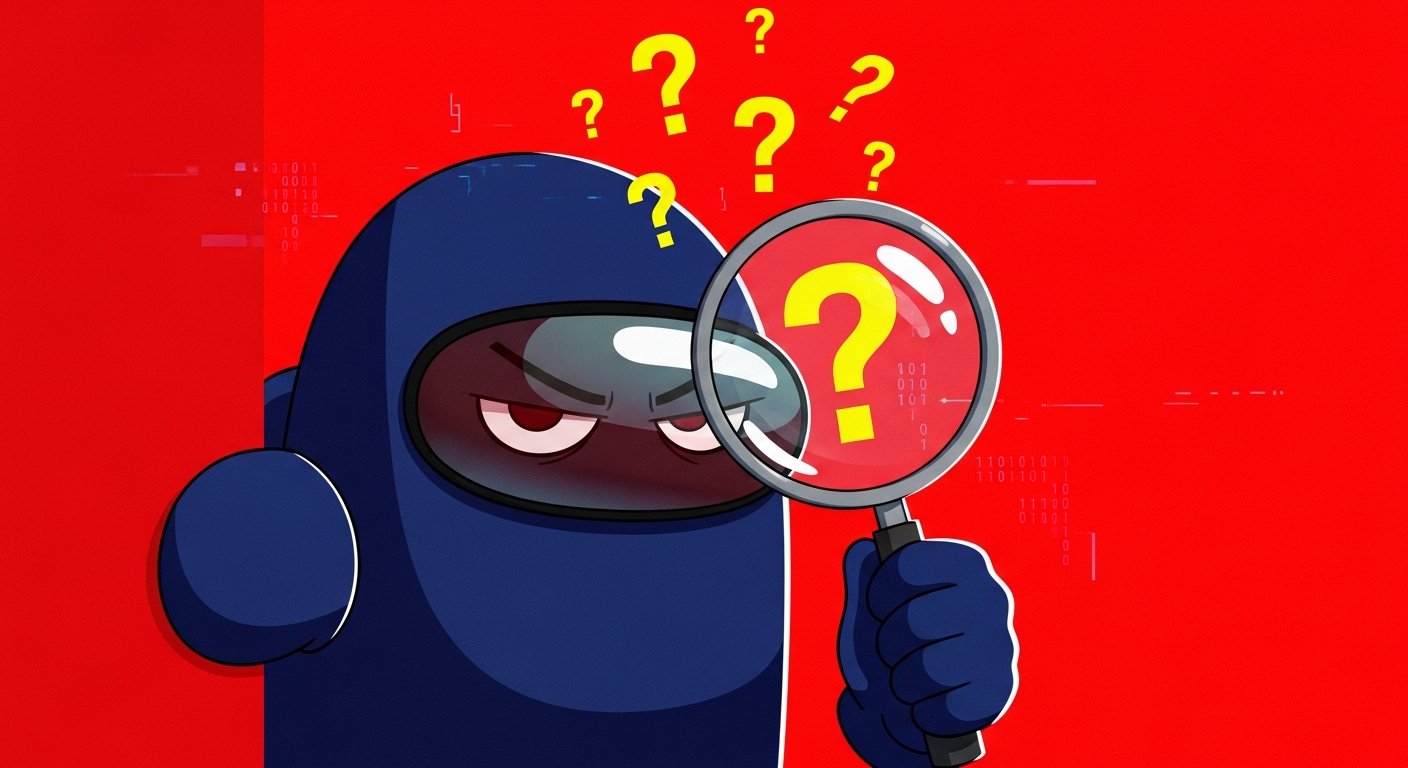
Sus is short for suspicious or suspect. When something feels off, sketchy, or not quite right, it is sus. When someone is acting weird, hiding something, or giving questionable vibes, they are being sus. The word existed for years, but the game Among Us turned it into one of the most recognized slang terms on the internet.
What sus means
Meaning: Suspicious, sketchy, questionable, or not trustworthy. Can describe a person, a situation, or a vibe. Tone: Ranges from genuinely suspicious to playfully accusatory to completely ironic.Genuine sus
"That link looks sus, don't click it"
"He left the party without telling anyone? That's sus"
Playful sus
"You're being real sus right now with that smile"
"That's a sus amount of ranch dressing"
The Among Us effect
"Sus" had been slang for years before Among Us, but the 2020 gaming phenomenon made it a global vocabulary word. In Among Us, players are crew members on a spaceship trying to identify the impostor among them. The core gameplay loop is literally calling someone "sus" and voting to eject them. The game exploded during COVID lockdowns, and suddenly everyone - gamers and non-gamers alike - was saying "sus." It became one of those rare gaming terms that crossed over completely into mainstream language.Sus before Among Us
The word was already in use in several contexts:- British slang: "Sus" has been British slang for suspicious or suspect since at least the 1930s. "Sussed out" means to figure something out.
- Internet forums: Gamers and online communities used "sus" casually before Among Us, especially in deception games like Mafia and Town of Salem.
- AAVE usage: "Suspect" and "sus" were used in hip-hop and Black communities to describe questionable behavior.
The layers of sus
- Mild sus: Something is slightly off but probably fine. "That email looks a little sus."
- Medium sus: Definitely questionable. Worth investigating. "Why did he switch his story? Sus."
- Maximum sus: Red flags everywhere. "She has three different names on her socials. Super sus."
Sus in the wild
Sus has settled into everyday language as a lightweight way to express doubt:- Online safety: "That website looks sus" - useful for flagging scams and phishing.
- Social situations: "They're being sus about the surprise party" - calling out bad poker faces.
- Food: "That sushi from the gas station is sus" - trust your instincts on this one.
- Memes: The Among Us character (crewmate) itself became a meme format, feeding the wider brainrot ecosystem and appearing as sus versions of everyday objects.
When to use sus
- Use it anytime something seems off, sketchy, or not quite right - it is universally understood.
- Use it playfully to tease friends about minor weird behavior.
- Use it seriously to flag genuinely suspicious links, messages, or situations.
- Know that the Among Us jokes are still going strong - "red is sus" will land in most internet-literate circles.
TL;DR Sus means suspicious or suspect. It existed as slang for decades, but Among Us made it a global phenomenon in 2020. Now it is a permanent part of internet vocabulary, used for everything from calling out sketchy links to teasing your friends. When in doubt, it is probably sus.