
Why Gen Z Is Bringing Back Disposable Cameras (Yes, Really)
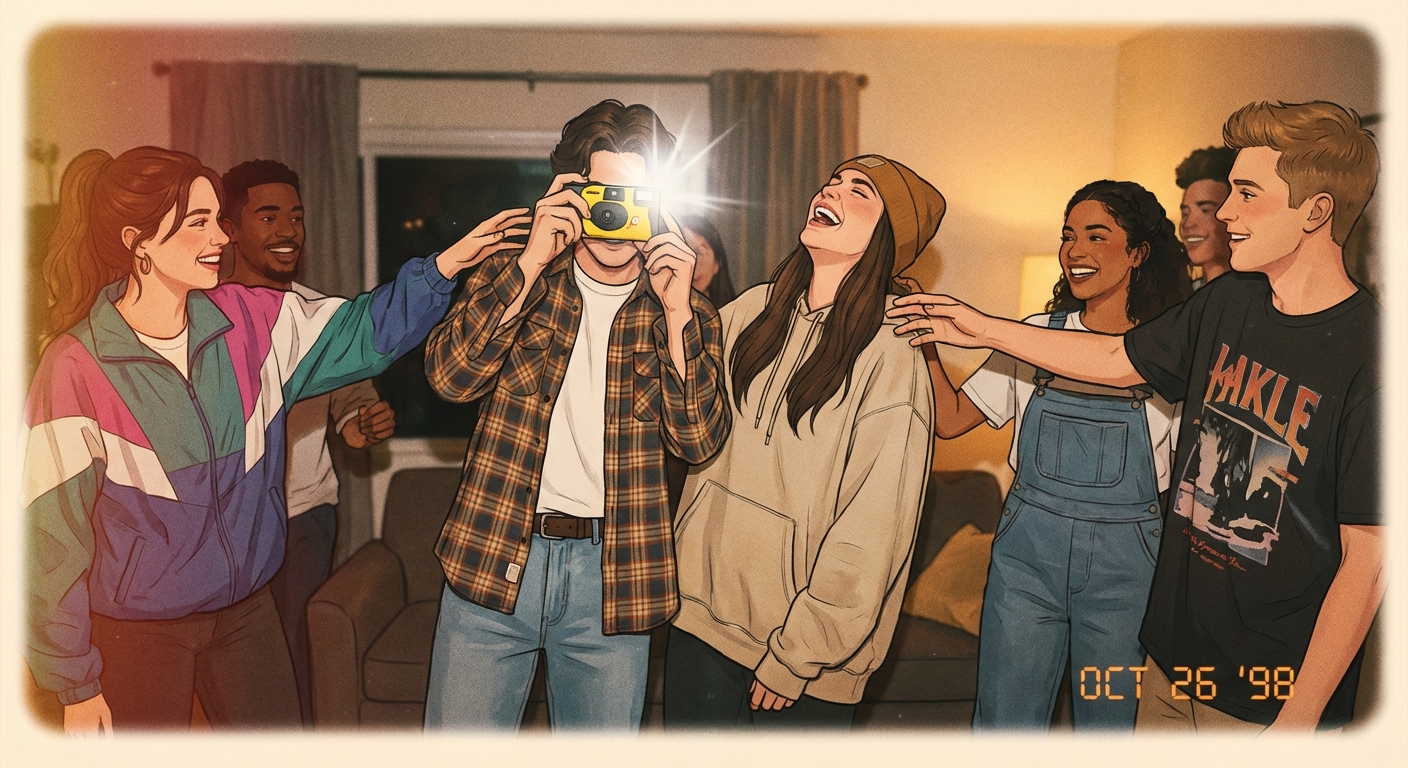
In an era where everyone has a 48-megapixel camera in their pocket, Gen Z has decided that what they actually want is a plastic box with 27 exposures, no preview screen, and the constant risk of finger-over-the-lens. Disposable cameras are back, and the comeback is more than just nostalgia bait.
The trend by the numbers
Searches for "disposable camera" have hit their highest point since the early 2000s. Brands like Fujifilm and Kodak have reported surging sales among 18-25 year olds. Urban Outfitters can't keep them in stock. And TikTok videos tagged #DisposableCamera have crossed 2 billion views.
Why now?
- Anti-perfection energy: After years of FaceTune, filters, and curated feeds, there's something liberating about photos you literally cannot edit. What you get is what happened.
- The "wait" is the point: In a world of instant everything, the delayed gratification of developing film creates genuine excitement. It's an event, not a reflex.
- Party culture shift: Disposable cameras at events have become a thing. Hosts leave them on tables, guests shoot randomly all night, and the developed photos become a collective memory — often more honest and funny than any posed iPhone shot.
- Digital exhaustion: Choosing between 47 nearly identical selfies is draining. One shot, no do-overs, feels like freedom.
The aesthetic economy
The disposable camera aesthetic — grain, light leaks, slightly off-center framing, flash-washed faces — has become its own visual language. Phone apps that simulate the look (Dazz, Huji) have been popular for years, but Gen Z is increasingly choosing the real thing over the filter.
There's also a social status element. Posting scanned disposable photos on Instagram signals a certain taste level — you're analog, you're intentional, you're not trying too hard (even though finding a one-hour photo lab in 2026 actually requires quite a bit of trying).
The friction is the feature
This is the thread connecting disposable cameras to silent walking, dumb phones, and vinyl records. Gen Z isn't anti-technology — they're the most digitally native generation alive. But they're actively seeking out friction, limitation, and imperfection as a counterbalance to the frictionless digital world they grew up in.
The disposable camera isn't better than your iPhone. That's the entire point.
TL;DR
Gen Z is choosing disposable cameras not despite their limitations, but because of them. Fewer shots, no filters, delayed results. In a world optimized for perfection, imperfection is the new flex.