
Doom Scrolling Detox: Gen Z's New Digital Wellness Movement
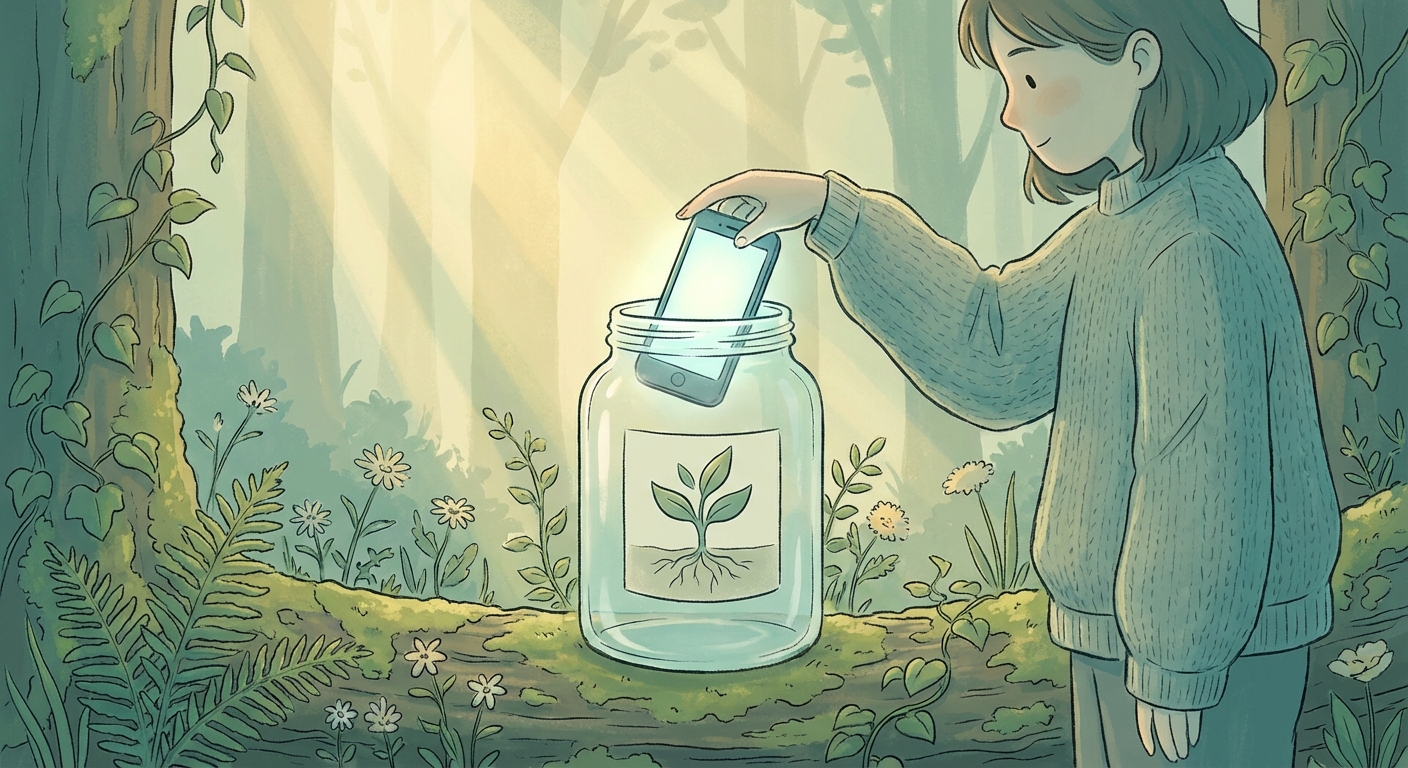
If 2024 was the year we admitted we had a screen problem, 2026 is the year we're actually doing something about it. Doom Scrolling Detox has gone from a vague aspiration to a full-blown movement, complete with apps, challenges, and an entire aesthetic built around touching grass.
What's driving the shift?
Several things converged to make digital detoxing more than just a wellness cliché:
- Screen time guilt hit critical mass. When your weekly report says 9 hours daily and you feel nothing, something's off.
- AI content overload. The rise of AI-generated slop flooding feeds made scrolling feel less rewarding. When half your FYP is synthetic, the dopamine hits different (worse).
- The "silent walking" pipeline. Trends like silent walking opened the door to more radical unplugging.
- "Phone stack" culture. Group dinners where everyone stacks their phones — last person to grab theirs wins — became a viral social ritual.
The detox toolkit
Gen Z isn't just going cold turkey. They're building systems:
- Grayscale mode: Turning your phone black-and-white makes apps less visually addictive. It's ugly on purpose.
- App timers with accountability buddies: Friends get notified when you exceed your limit. Social shame as a feature.
- Dumb phone weekends: Swapping to a Nokia or flip phone for 48 hours. Some creators document the experience like it's a survival challenge.
- The "boring phone" aesthetic: Removing all social apps from the home screen and replacing them with a single notes app and a timer.
The paradox
Here's the thing — most people are posting about their detox on the apps they're detoxing from. The irony isn't lost on anyone, and honestly, it's part of the charm. "I'm logging off (but first let me film this)" is peak Gen Z self-awareness.
Does it actually work?
Anecdotally, yes. Creators who've committed to detox challenges report better sleep, more real-world conversations, and — perhaps most surprisingly — less anxiety. The FOMO fades faster than expected when you realize you weren't missing much.
The science backs it up too. Studies consistently show that reducing passive social media consumption improves mood and attention span. The hard part was always starting. The movement just made starting cool.
TL;DR
Doom scrolling detox isn't about quitting the internet forever. It's about being more intentional with screen time, and Gen Z is turning it into a collective challenge rather than an individual guilt trip. And that shift — from shame to solidarity — might be what actually makes it stick.