
What Does Tipflation Mean?
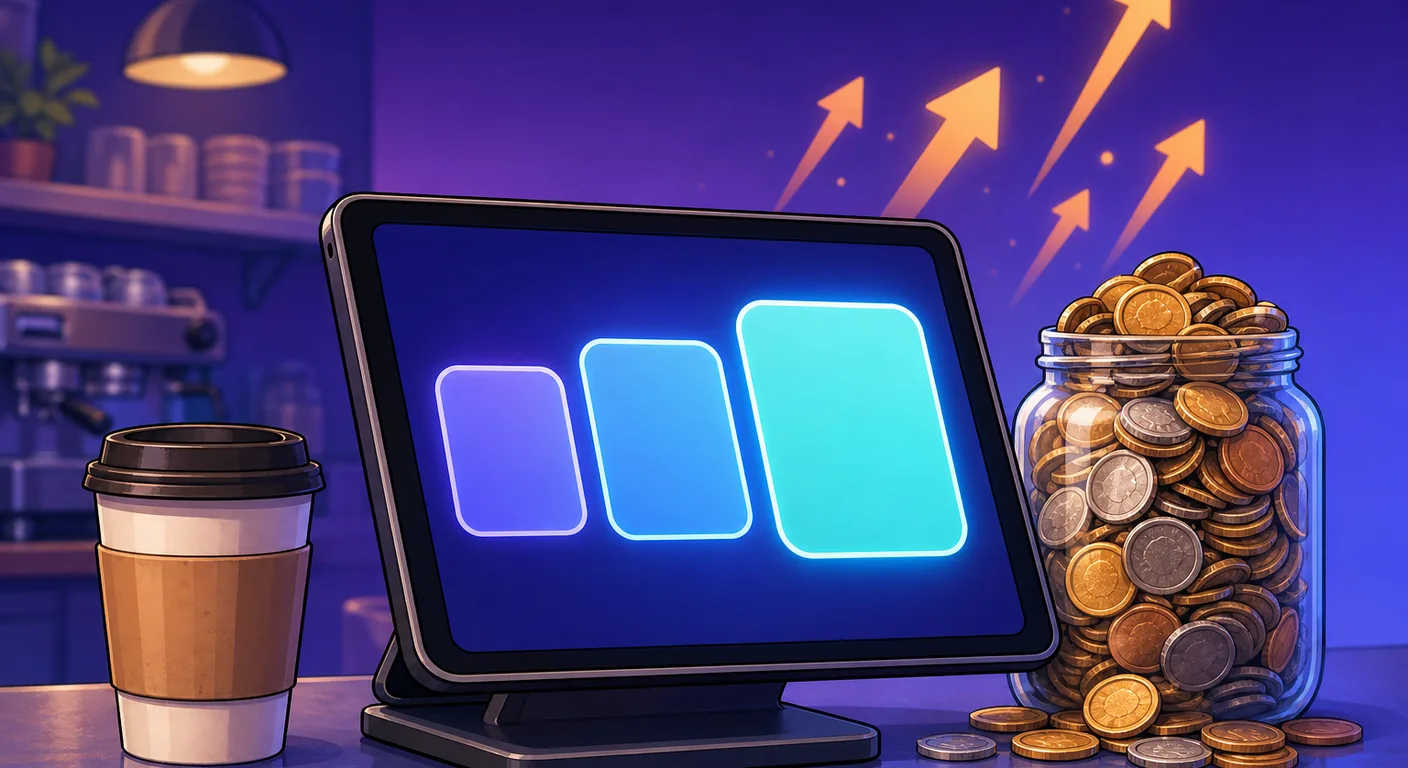
Tipflation is a term for the recent trend of being prompted to tip in more situations, for more types of services, and at higher percentages than was previously standard. This phenomenon is closely linked to the rise of digital point-of-sale systems, often on tablets, which present default tip options of 20% or more. The term also encompasses related concepts like "tip fatigue," the exhaustion from constant tipping requests, and "guilt tipping," the act of tipping out of social pressure.
What is Tipflation?
Tipflation is a portmanteau of "tip" and "inflation," describing the feeling that the cost and frequency of tipping are rapidly increasing. It manifests in several ways. First, the suggested tip percentages on payment screens often start at 20% or 25%, nudging customers away from the older 15% standard. Second, the prompts appear in places where tipping was historically uncommon, such as at retail store counters, for takeout food, or even at self-checkout kiosks. This expansion of tipping culture, facilitated by technology, creates awkward social situations where customers feel pressured to add a gratuity for minimal or nonexistent service.
Where Tipflation Came From
While tipping has a long history, tipflation as a widespread phenomenon is relatively new, accelerating in the late 2010s and early 2020s. The primary driver was the adoption of tablet-based point-of-sale (POS) systems from companies like Square, Toast, and Clover. These systems made it easy for any business to add a tipping screen to the checkout process. The COVID-19 pandemic amplified the trend, as many consumers tipped generously to support essential workers. However, what began as a temporary measure of goodwill often became a permanent feature, leading to the current state of "tip fatigue" where prompts are nearly unavoidable.
The Psychology of 'Guilt Tipping'
A key component of tipflation is the social pressure to tip when presented with a screen, a phenomenon often called "guilt tipping." The classic scenario involves a cashier swiveling a tablet toward you with tip options prominently displayed. With the employee watching and potentially other customers in line, pressing "No Tip" can feel confrontational or cheap. This design exploits social awkwardness to encourage tipping, regardless of the service quality. Many people feel their finances are already cooked by rising prices, making these frequent, unexpected requests for more money a source of significant frustration.
How People Talk About It Online
Tipflation is a frequent topic of complaint and debate across social media. On TikTok, users post skits parodying absurd tipping requests, like a landlord's tablet asking for a 25% tip on rent. On Reddit and X (formerly Twitter), threads and posts often go viral showcasing screenshots of tip screens at self-checkout machines or for simple counter transactions. The discourse is a prime example of a topic that resonates with people who are chronically online, as it blends personal finance anxiety with commentary on technology's role in everyday social interactions.
TikTok Comments
"The self checkout at the airport asked me for a tip. a tip for who??? MYSELF???""They spun the iPad around on me for a $4 bottle of water…"Reddit Threads
"Tipflation has gotten out of control. I was asked to tip at a souvenir shop.""My new rule is I only tip if I sit down and someone takes my order."Unexpected Places for a Tip Prompt
Part of the frustration with tipflation comes from encountering tip screens in places where they feel out of place. While tipping for table service is a long-standing norm, the digital prompts have spread far beyond that context.
- Self-Checkout Kiosks: The machine asks for a tip for a transaction you completed yourself.
- Retail Stores: A cashier handing you a pre-packaged item may present a tip screen.
- Drive-Thru Windows: Handing a card reader out the window with a tip prompt is becoming more common.
- Food Trucks: Often seen as a more casual dining option, many now default to restaurant-level tip requests.
- Automatic Car Washes: Some automated systems now include a tip prompt on the payment screen before you even enter the wash.
When is Tipping Actually Expected?
The confusion caused by tipflation has left many people wondering when they should and should not tip. The traditional etiquette largely remains the same, focusing on service-based roles. Tipping is generally expected for waitstaff at sit-down restaurants, food delivery drivers, bartenders, barbers, and hairstylists. The gray area is counter service. While some argue a dollar or two for a complex coffee order is appropriate, many feel no obligation to tip for a simple transaction like being handed a pastry. Ultimately, it remains a personal choice, though knowing whether you need to tip at a coffee shop can help navigate the ambiguity.