

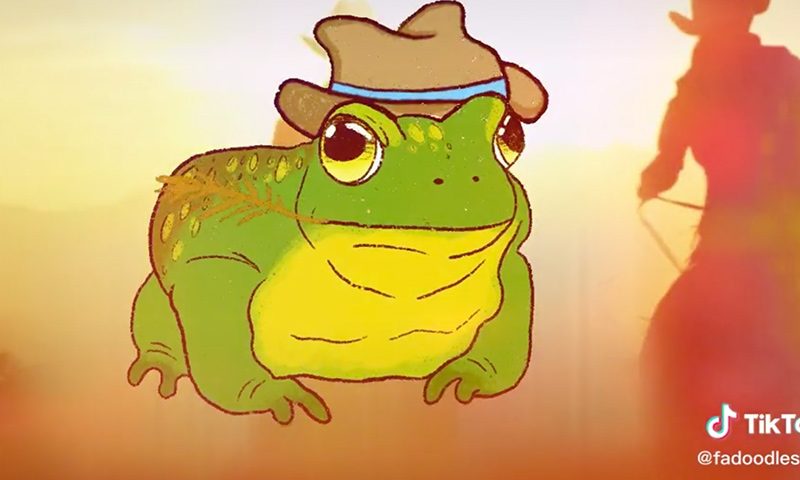
If you’ve ever scrolled past a White’s tree frog yawning like a cat, a knitted frog skit, or a terrarium time-lapse, you’ve brushed up against FrogTok. This subculture is much more than random clips of amphibians, it’s a thriving community with aesthetics, debates, and even conservation implications. Let’s dive deeper into what makes FrogTok so fascinating.
From niche meme to full TikTok ecosystem
Frog culture online predates TikTok, with classics like “It is Wednesday, my dudes” or Kermit memes. What TikTok did was give frogs a new stage, turning a scattered meme into a consistent content lane. Around 2020, FrogTok became a recognizable “side of TikTok”, with hashtags like #FrogTok and #Frogs attracting millions of views. The platform’s algorithm helped amplify frog-related content, bringing together pet keepers, field enthusiasts, artists, and animators.
FrogTok also overlaps with cottagecore, the aesthetic that celebrates handmade crafts, nature, and cozy rural vibes. Frogs fit naturally into this scene, whether they appear in ceramics, embroidery, or whimsical baked goods. This blend of natural and artistic makes FrogTok especially diverse and appealing.
Why frogs thrive on TikTok
Frogs work unusually well in short-form video. Their behaviors offer built-in micro-dramas, from tadpoles sprouting legs to feeding time. These moments fit neatly into TikTok’s preference for 15 to 30-second arcs.
There’s also a strong ASMR element. Frogs are often filmed in terrariums where trickling water, rustling leaves, and slow hand movements create a soothing vibe. This connects with the platform’s hunger for calming and aesthetic content.
Finally, frogs lend themselves to characterization. With large eyes, squat bodies, and subtle gestures, they’re ideal for voiceovers, duet skits, and animation. This is why animated frog shorts, frog plushies, and frog fan art flourish right alongside real amphibians.
Identity, jokes, and cultural baggage
FrogTok isn’t only about cuteness, it’s also about identity and humor. Many creators connect frog content to queer culture, often reclaiming the notorious “gay frogs” conspiracy rant and remixing it into campy or lighthearted jokes. For some, frogs become an emblem of outsider identity, a quirky mascot that reflects individuality within the broader LGBTQ+ TikTok scene.
The ethics at the heart of FrogTok
Perhaps the most important dimension of FrogTok is the ongoing debate about how frogs are treated.
-
Handling and props: Frogs have porous, sensitive skin. Minimal handling is best, yet many videos feature frogs being touched or dressed in tiny accessories like cowboy hats. This sparks debates in the community about whether the entertainment is worth the risk.
-
Health and hygiene: Amphibians can carry salmonella. Creators often remind viewers to wash hands and avoid encouraging unsafe handling.
-
The “frog army” saga: A viral case showed a TikToker raising huge numbers of tadpoles and releasing them, which alarmed scientists. Critics argued this could damage ecosystems and spread disease. The controversy triggered an educational wave, with experts and fellow creators explaining best practices and discouraging similar stunts.
These debates illustrate how FrogTok is self-policing. The community isn’t just celebrating frogs, it’s actively shaping standards of care and responsibility.
Case study: the “frog army” controversy
-
The spark: A creator claimed to have collected millions of frog eggs and raised them in a backyard pool, amassing enormous views.
-
The backlash: Biologists, veterinarians, and responsible keepers warned that releasing captive-bred or mass-collected tadpoles could spread disease and harm wild populations.
-
The impact: The discussion didn’t stay confined to science circles. Regular TikTok users picked up on the concerns, resharing corrections and adding their own takes. The incident highlighted how quickly misinformation or risky behavior can spread, but also how fast corrective content can gain traction.
Conservation potential
Beyond entertainment, FrogTok could play an important role in amphibian conservation. Amphibians are among the most threatened animals on Earth, with climate change, habitat loss, and disease taking a heavy toll. By leveraging TikTok’s storytelling tools, creators can deliver small but powerful conservation messages.
For example, short clips can show how to create frog-friendly garden spaces, explain why not to relocate wild eggs, or share tips for safe amphibian observation. Since viewers already come for the cuteness, layering in education becomes a natural fit.
Best practices for FrogTok creators
-
Film frogs as they are, not as props. Show natural behaviors instead of staging risky situations.
-
Keep handling minimal. If it’s necessary, moist or gloved hands are safer.
-
Educate gently. A simple caption like “no handling, hands washed after filming” informs without preaching.
-
Avoid the hats. Even if it looks funny, the risks outweigh the laugh.
-
Promote conservation. Share small actionable steps, from backyard habitats to respecting local wildlife laws.
The bigger picture
FrogTok is more than a quirky internet niche. It’s an ecosystem where humor, identity, and ethics collide. It shows how quickly TikTok can turn an obscure subject into a cultural trend, while also highlighting the responsibilities that come with virality.
What began as frog memes has grown into a space where creators educate, debate, and inspire. Done right, FrogTok can continue to be both endlessly watchable and genuinely useful, not just for viewers but for the frogs themselves.